The Storm Scale Explorer
Meteorologists rate storms on a scale from weakest to strongest. Pick Hurricane or Tornado, then drag the slider and watch the damage escalate.
Extreme Weather Catalog
How each one forms — and how to stay safe when it strikes.
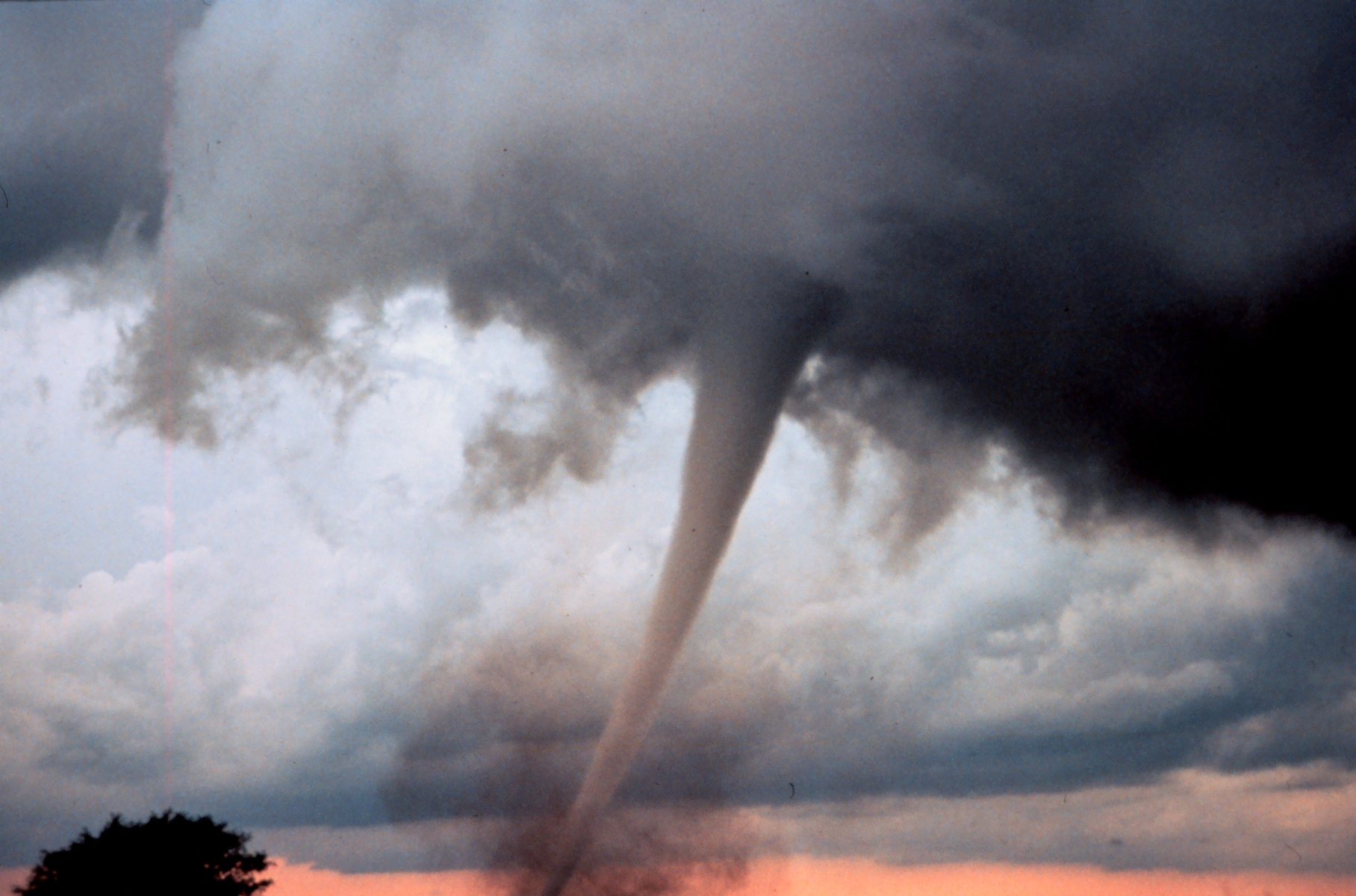
Tornado
A violently rotating column of air that stretches from a thunderstorm down to the ground. Tornadoes can form in minutes and produce the fastest winds on Earth — sometimes over 200 miles per hour.
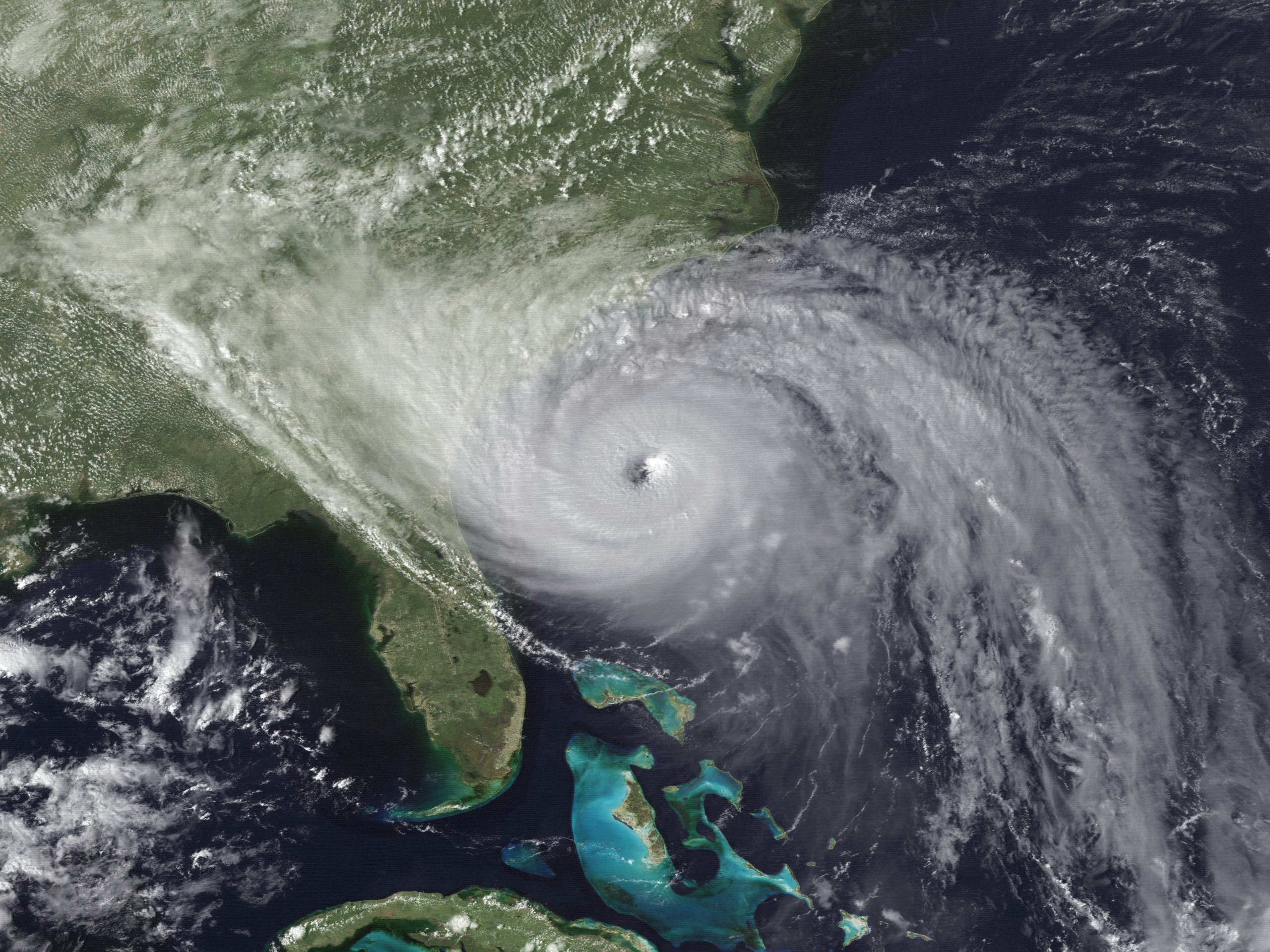
Hurricane
A massive rotating storm that forms over warm ocean water, fueled by heat and moisture. Hurricanes can stretch hundreds of miles wide and bring destructive wind, torrential rain, and dangerous storm surge to coastlines.
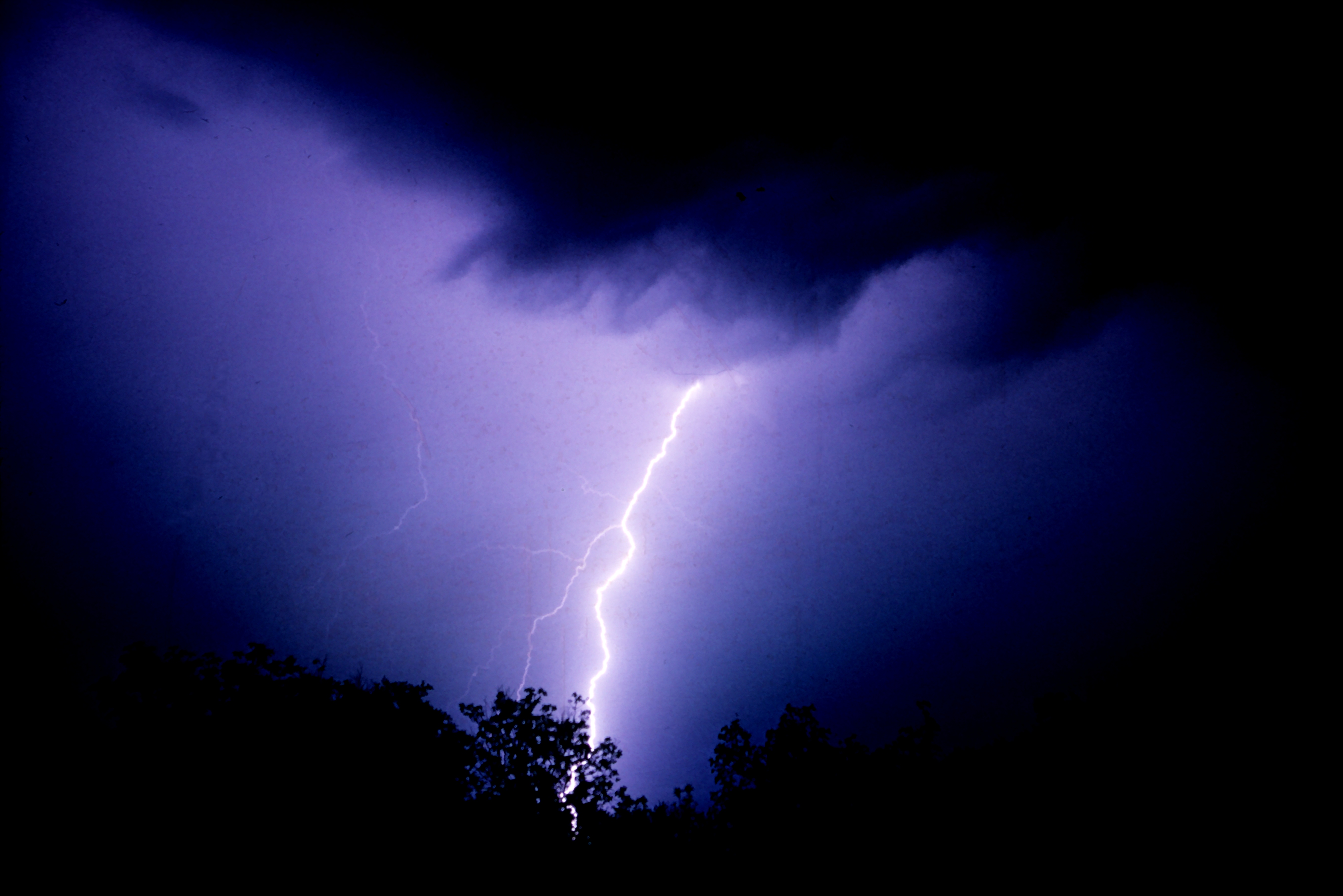
Thunderstorm & Lightning
Every thunderstorm produces lightning — a massive spark of electricity racing between a cloud and the ground, or between clouds. The air around a lightning bolt can get hotter than the surface of the sun, which is what causes the boom of thunder.
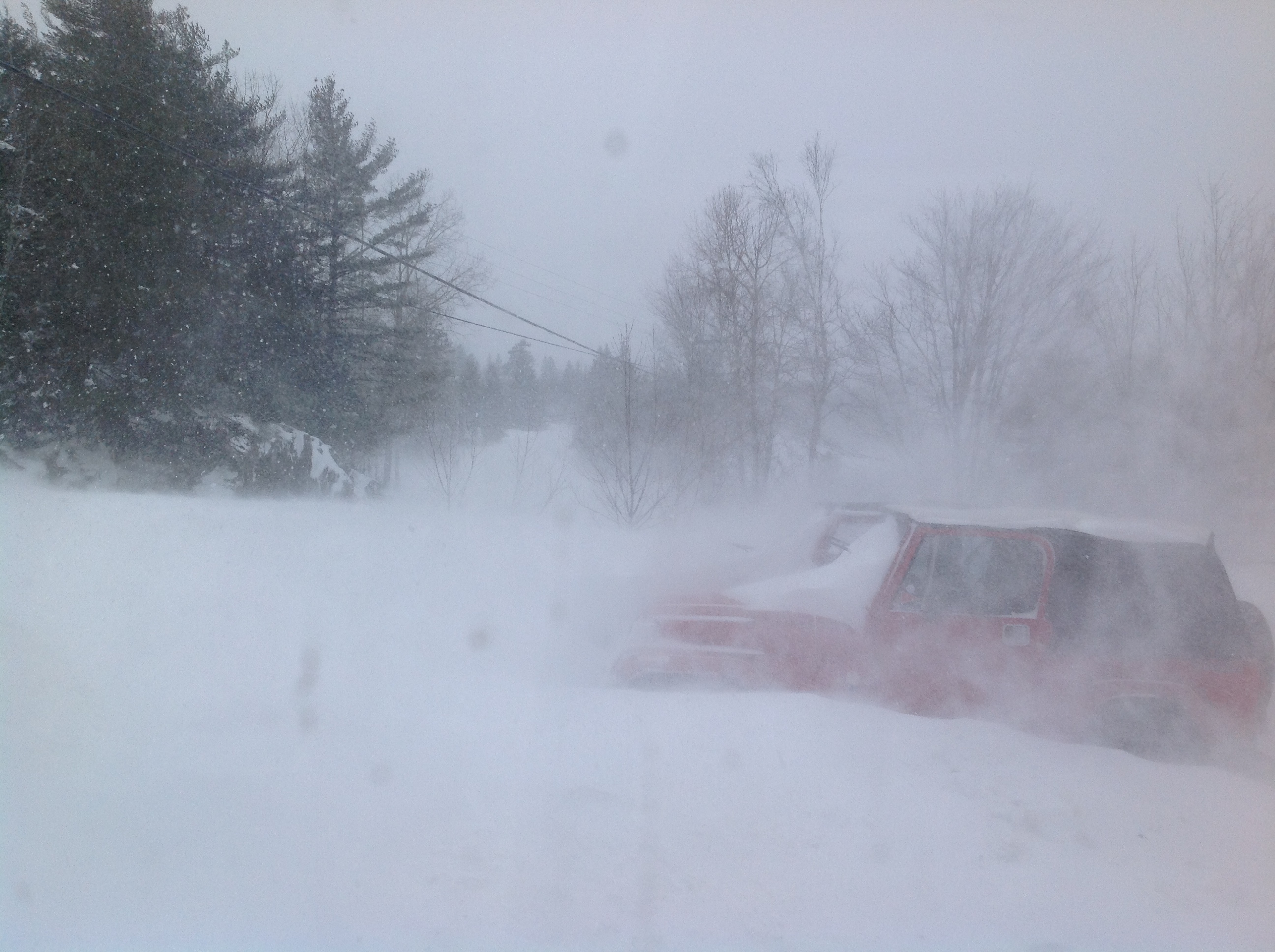
Blizzard
A severe snowstorm with winds of at least 35 miles per hour and visibility under a quarter mile for three hours or more. Blowing snow in a blizzard can make it nearly impossible to see even a few feet ahead.
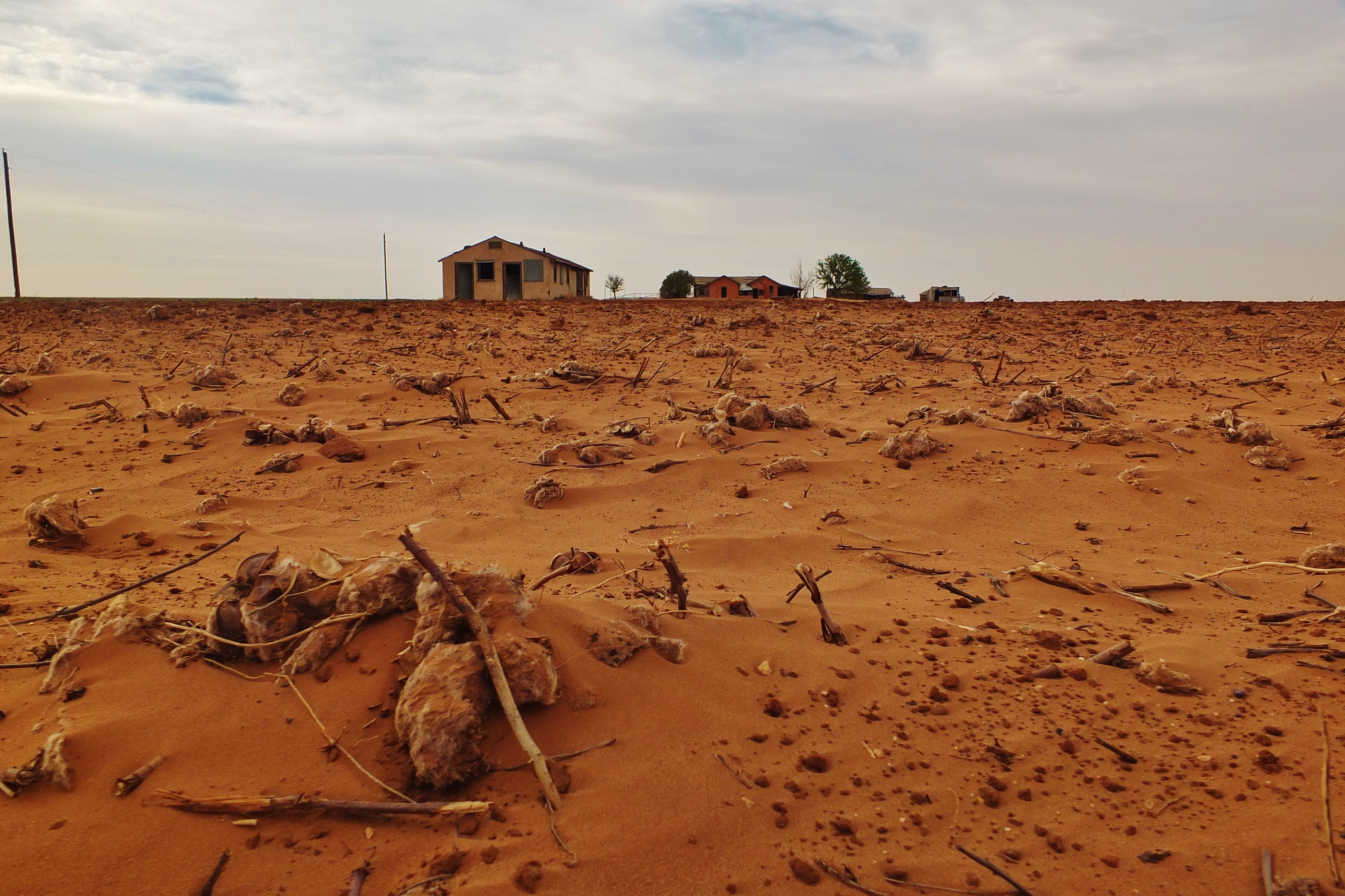
Drought
A drought happens when an area gets much less rain or snow than usual over a long stretch of time — drying out soil, shrinking water supplies, and making it hard for crops and ecosystems to survive.
Photographs courtesy of the NOAA Photo Library.
Record Breakers
Some of the most extreme weather ever recorded.
The hottest temperature ever officially recorded on Earth was 134°F (56.7°C), in Death Valley, California, on July 10, 1913.
The fastest wind speed ever measured near Earth's surface — about 300 mph — was recorded in a tornado near Bridge Creek, Oklahoma, on May 3, 1999.
Hurricane Patricia (2015) had the strongest winds ever recorded in a Western Hemisphere hurricane — sustained winds of about 215 mph.
The 1930s "Dust Bowl" drought in the American Great Plains lasted almost the entire decade. Its dust storms were so massive they blew soil all the way to Washington, D.C. and ships out in the Atlantic Ocean.
Test Your Knowledge
Answer these 4 questions. Get 3 or more correct to master this lesson!